
Deskripsi
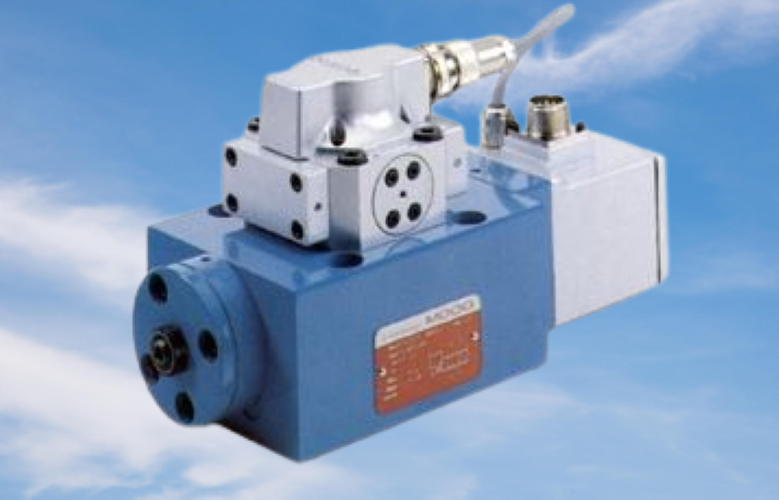
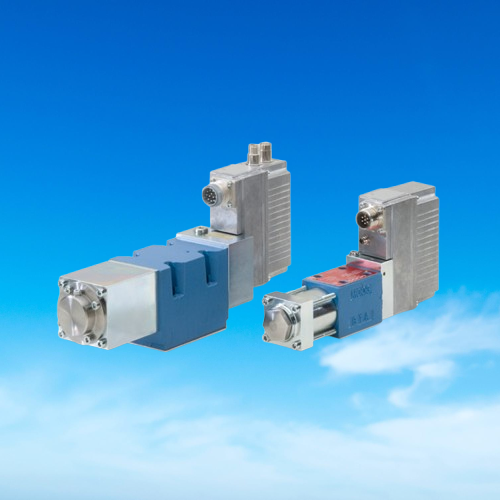
Servo Valve
Working principle
A command signal (proportional to the desired output flow rate of the main valve) is input to the control amplifier of the integrated circuit. The amplifier then outputs a drive current to the pilot stage coil, thereby controlling the displacement of the pilot valve spool. This creates a pressure difference between the two control ports, which in turn drives the main valve spool to move. The actual displacement of the main valve spool is measured by a differential linear displacement sensor (expressed as a voltage proportional to the actual displacement). This signal is demodulated and fed back to the control amplifier for comparison with the input value. Based on the resulting deviation signal, the control amplifier drives the pilot valve to move until the difference between the command signal and the feedback signal is zero. Therefore, the displacement of the main valve spool is proportional to the command electrical signal.
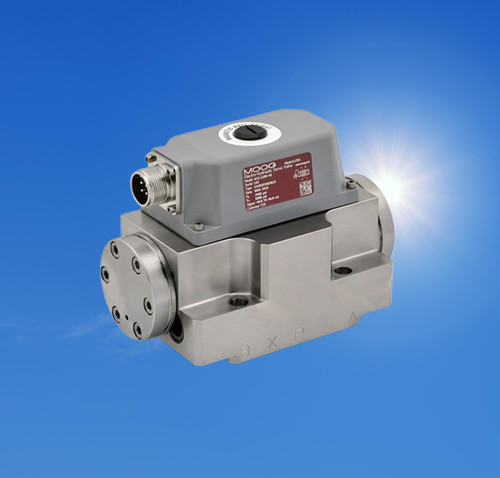
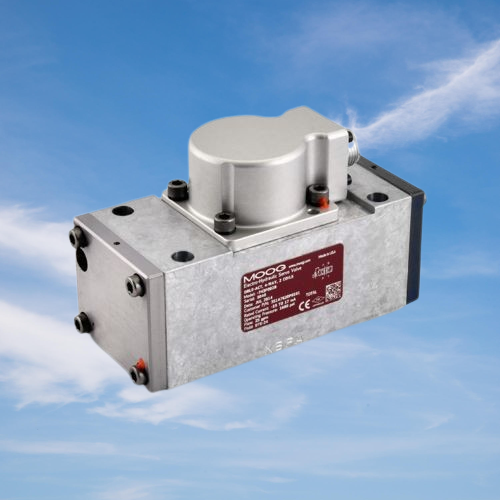
The D792 and D791 series are available as flow control servo valves for three-way and four-way applications. These two series of three-stage servo valves are specifically designed for applications requiring both high flow rates and high dynamic characteristics. Their design is based on the well-known D079 series. Integrated electronic control has been replaced by a new design using SMD technology. The D792 series has a maximum rated flow rate of 1000 l/min. These valves are suitable for position, speed, force (or pressure) servo control systems and offer high dynamic response.
Specification:
- Model : D792-4013
- Series : D792
- Rated flow rate: 100 to 1000 l/min (26.4 to 264 gpm)
- Maximum flow rate: 1100 l/min (290 gpm) (D792)
- Maximum operating pressure: 350 bar (5000 psi)
- Installation mode: Moog Standard
- 100% step response: 3 to 12 ms @ 210 bar (3,000 psi)
- Power supply voltage: +/-15 VDC, 24 VDC (18~32 VDC)
- Rated signal options: +/-10 V, +/- 10 mA and 4-20 mA
- Brand : MOOG Inc.
Ulasan
Belum ada ulasan.