
Deskripsi
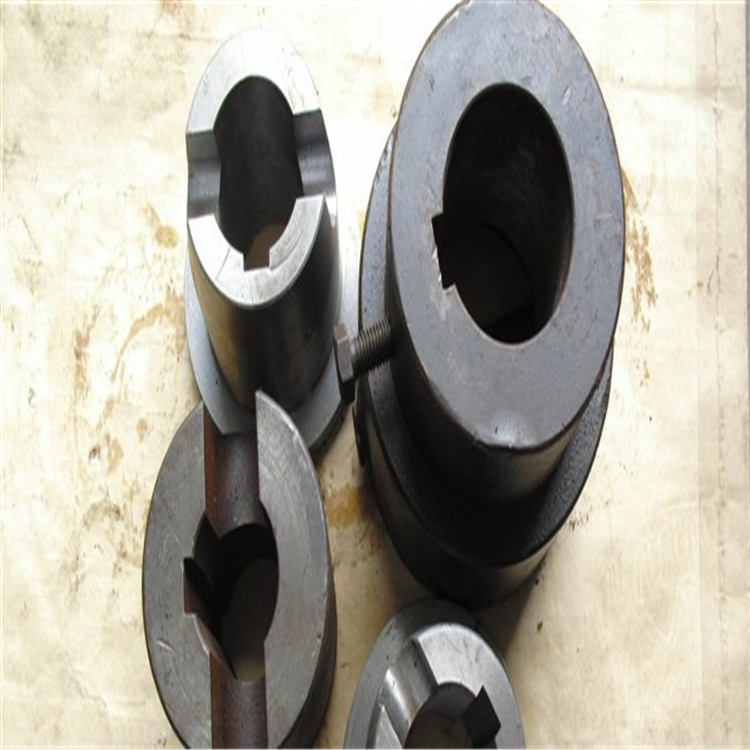
Electrostatic Precipitator Shaft End
Model : 2F679.4-2
Product Type : Vibrating Device
Total weight (kg) : 6
Chassis dimensions (mm) : 60
Applications : Anode rapping
Brand : YINGLI ENVIRONMENTAL PROTECTION
The shaft end 2F679.4-2 is a rapping accessory for electrostatic precipitators. A key is a key that uses its two sides as working surfaces, transmitting torque through the compression between the key and the keyway sides. Flat keys are divided into three types: ordinary flat keys, thin flat keys, and guide flat keys. Ordinary flat keys offer good centering, high positioning accuracy, and easy assembly/disassembly, but cannot achieve axial fixation of parts on the shaft; they are used for high-speed shafts or shafts subjected to impact or variable loads. Thin flat keys are used for thin-walled structures and applications where the transmitted torque is relatively small. Guide flat keys use screws to fix the key to the shaft and are used in situations where the movement of parts along the shaft is small. Guide keys also include sliding keys, which are fixed to the hub, allowing the parts on the shaft to move axially along the shaft; these are used in situations where the movement of parts along the shaft is large. The dust removal effect of the rapping hammer in electrostatic precipitators mainly depends on the rapping intensity and rapping frequency. The rapping intensity of the rapping hammer is determined by the weight of the hammer head and the length of the flexible arm . it is sufficient to leave a thin layer of dust on the plate surface. Otherwise, secondary dust generation and structural damage will increase.
Factors determining the rapping intensity of the rapping hammer include:
① Electrostatic precipitator capacity. Electrostatic precipitators with large dimensions and many electrodes require higher rapping intensity.
② Electrode installation method. Different electrode installation methods, such as rigid connection or free suspension, result in different transmission of rapping force, requiring different rapping hammer intensities. properties. Dust with high viscosity, high resistivity, and fine particles requires higher rapping intensity, for example, greater than 200 g. This is because high-resistivity dust has stronger adhesion and electrostatic force, thus requiring a higher rapping intensity from the rapping hammer. Fine dust particles have stronger adhesion than coarse dust particles, requiring a higher rapping intensity.
④ Humidity. Generally, higher humidity at the shaft end (\2F679.4-2) is beneficial for dust removal, and the required rapping acceleration is also lower. However, excessive humidity may soften the dust, producing the opposite effect.
⑤ Service life. As the electrostatic precipitator’s service life increases, the electrode plates corrode, and the dust caking occurs, necessitating an increase in the rapping intensity of the rapping hammer.
⑥ Rapping Generally, there are two types: continuous rapping and intermittent rapping. The appropriate regime depends on the specific conditions. For example, if the dust concentration is high and the adhesion is also high, continuous rapping with a lower intensity is more suitable. In short, the appropriate rapping intensity and frequency are only roughly determined during the design phase and must be finalized through on-site adjustments based on actual conditions during operation.


Ulasan
Belum ada ulasan.